
 Maya
Maya ZBrush
 Houdini
 Unreal Engine
 Substance Painter
 Blender
 Nuke
Nuke Arnold
 KeyShot
 V-Ray
V-Ray Substance Designer
 Mari
Mari Marvelous Designer
 Marmoset Toolbag
 3ds Max
 3DCoat
 Redshift
 After Effects
 Faceform Wrap
 Lightroom
 OctaneRender
 SpeedTree
 Daz 3D
 Agisoft Metashape
 Fusion
 Modo
Modo RealityCapture
 Gaea
Gaea Cinema 4D
 Gravity Sketch
 Premiere
 Procreate
 Substance 3D Modeler
 Katana
 Mudbox
 Krita
Krita World Creator
 Yeti
Yeti Ziva VFX
 SketchBook
 Quixel DDO
 Mixamo
 Natron
 Quixel Bridge
 Quixel Megascans
 Adobe Medium
 Quixel Mixer
 SynthEyes
 Clip Studio Paint
 SketchUp
 Unity
Unity Gaffer
 Massive
 Materialize
 Ornatrix
 PreForm
 Corel Painter
 Moi 3D
 QuickTime
 Storyboard Pro
 TreeIt
 animBot
 ReCap
ReCap Meshmixer
 DaVinci Resolve
 World Machine
 xNormal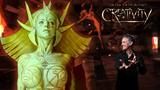
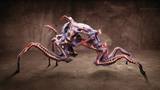




Blockbuster creatures and monsters all start somewhere: With a sketch. Senior Character and Creature Concept Artist Kyle Brown demonstrates the industry-proven workflows he’s mastered through working on high-profile creature designs for film, television, games, and advertising projects. His 3.5-hour workshop demystifies the process of bringing creatures to life, with Volume 1 dedicated to the sketching and idea-exploration phase.
Before delving into the world of creature design, you’ll encounter many questions. How do you bring an unimagined creature into existence? How big, small, dangerous, or strong should it be? What environment will the creature be occupying and what role does it play? Will it have any unique skills or traits? Kyle discusses how, by applying fundamental design principles you can build a solid foundation to work from, and ultimately create a creature that will resonate with audiences — while still feeling fresh and original.
Kicking off with the initial research and methodology phase, Kyle shows the importance of using references to serve as a spark for a new design, inspiring new shapes while always rooting design decisions in real-world anatomy and physiology. The workshop then moves into silhouette exploration using simple two-value construction to focus on shapes. Advanced thumbnailing follows, where Kyle applies secondary forms while ensuring that everything still reads at a small, bite-sized scale.
The following exploratory process takes the initial thumbnails and fleshes them out into more resolved sketches, varying the shape and design language to create multiple iterations for a creature brief. To complete the workshop, the final design is translated into a three-quarter pose for the final presentation — whether it’s for your portfolio or a client.
Watch Introduction to Creature Design: Volume 2 With Kyle Brown to explore how to color your creature concepts in Photoshop.
9 Lessons
Kyle Brown, a Senior Concept Designer who has worked in the film, television, game, and advertising industry, provides us with an overview for this workshop on Creature Design. Artists will go through all stages of the process, from research and thumbnailing, to design and refinement. At the end, you will be equipped with a professional methodology for developing compelling creature designs in the entertainment industry.
Duration: 1m 16s

In this first lesson, Kyle gives his take on the fundamental process of thorough, thoughtful reference gathering; an essential part of creature design. By grounding creature designs in real-world biology and understanding the functional reasons behind anatomical features, artists can create original, believable designs that feel naturally occurring rather than derivative. Just as important is the difference between reference and mood boards, something Kyle explains can lead to an artist replicating designs instead of inventing them; resulting in creative dead-ends we want to avoid.
Duration: 13m 6s

In this lesson, Kyle gets things going by breaking down complex organic forms into manageable primitive shapes, using proper perspective and lighting techniques to build complexity in stages. These exercises will help artists to execute their creative vision with confidence, and simplifies creature design by treating it as an exercise in fundamentals. Kyle's emphasis on form over details, ensuring designs convincingly occupy 3D space from the start, helps to provide a practical framework for more effective and believable creature designs.
Duration: 24m 52s

In this lesson, Kyle shows us how to quickly sketch silhouettes, a low-pressure method for generating character design ideas quickly without committing significant time to any single concept. By creating many thumbnails, going beyond what's required, using simple tools and limited values, designers can push past familiar shapes and discover unexpected, compelling forms. This exploratory phase is essential for filtering out weaker ideas early, ensuring that only the strongest concepts move forward to be developed.
Duration: 12m 11s

Progressing from silhouettes, Kyle refines these initial ideas, sketching more loose line and light value concepts. Part of the goal at this stage is to be able to have productive conversations with clients through quick but thoughtful sketches, that are still low committal enough to allow for actionable feedback before investing significant time in final renderings.
Duration: 30m 22s

In this lesson, Kyle starts to narrow down his options and commits to throwing a lot at the wall to see what sticks, believing that small tweaks don't speak to clients as much as huge changes when working through your final designs. These changes, still rooted in real-world anatomical principles but now adapted to fantastical forms, provide clients with more unique and identifiable choices. Kyle also showcases his illustration preferences in Adobe Photoshop that make his digital work feel traditional and look professional, ready for client presentation and further refinement based on feedback.
Duration: 31m 13s

This lesson focuses on the second approval stage, where the client has chosen a preferred concept and requests further exploration based on that direction. Kyle demonstrates that at this stage, a polished sketch that clearly communicates form is often more valuable than jumping into a detailed rendering too early. By staying flexible and continually referencing real-world anatomy, he shows how strong foundational design decisions naturally lead to a successful final render later in the process.
Duration: 22m 35s

Picking up from the last lesson, Kyle starts new iterations by directly referring to past sketches and swapping out parts of his design for others, keeping the whole thing unified with the concept the client had interest in. Directing his attention to new head options, Kyle develops several before settling and adding one to the initial concept. With some refinement to the rest of the body, he showcases how different in look and feel the concept can become while still maintaining most of the original silhouette.
Duration: 33m 24s

In this final sketching stage, Kyle translates one of the final drawings into a three-quarter posed view to communicate as much information as possible about the creature design. This approach allows artists to reveal unseen anatomy, convey emotion and attitude, and continue solving design problems while moving from a flat 2D drawing toward a more three-dimensional form. Throughout the lesson, Kyle emphasizes balanced development across the character, effective time management, ongoing iteration, and learning from both successes and mistakes; guidance for aspiring concept artists working in the entertainment industry.
Duration: 1h 2m 1s

Primary tools
For this workshop you’ll need:

* Note that these programs and materials will not be supplied with the course.
Skills Covered
Who’s this Workshop for?
This workshop is designed for beginner and intermediate digital artists, concept artists, and illustrators looking to specialize in creature design for the entertainment industry. Whether you're working in film, television, games, or even advertising, this comprehensive training provides the foundational skills needed to create compelling creature concepts that resonate with audiences.
The exercises shown in Kyle Brown's lessons will provide basic skills and experience that artists of all levels can benefit from. From students to hobbyists and seasoned creature and character artists, the essential skills shown regarding research techniques, silhouette exploration, and iterative design processes form the backbone of successful creature concept art in professional production environments.
Learning Outcomes
In completing this workshop, artists will have a strong understanding of the fundamental illustrative and iterative processes that are important parts of professional creature design across the entertainment industry.
Key skills include:
- How to effectively research and gather references to inspire original creature designs.
- How to apply fundamental design principles to create creatures that feel fresh yet believable.
- How to develop strong silhouettes using two-value illustration techniques for maximum visual impact.
- How to create advanced thumbnails that incorporate secondary forms while maintaining clear readability.
- How to branch out from initial designs in order to find the most impactful results that match creative briefs.
- How to polish final creature designs and create three-quarter presentation poses for portfolios and client viewing.


