
 Photoshop
 Maya
Maya ZBrush
 Houdini
 Unreal Engine
 Substance Painter
 Blender
 Nuke
Nuke Arnold
 KeyShot
 V-Ray
V-Ray Mari
Mari Marvelous Designer
 Marmoset Toolbag
 Substance Designer
 3ds Max
 3DCoat
 Redshift
 After Effects
 Faceform Wrap
 Lightroom
 OctaneRender
 SpeedTree
 Daz 3D
 Agisoft Metashape
 Fusion
 Modo
Modo RealityCapture
 Gaea
Gaea Cinema 4D
 Gravity Sketch
 Premiere
 Procreate
 Substance 3D Modeler
 Katana
 Mudbox
 Krita
Krita World Creator
 Yeti
Yeti Ziva VFX
 SketchBook
 Quixel DDO
 Mixamo
 Natron
 Quixel Bridge
 Quixel Megascans
 Adobe Medium
 Quixel Mixer
 SynthEyes
 Clip Studio Paint
 SketchUp
 Unity
Unity Gaffer
 Massive
 Materialize
 Ornatrix
 PreForm
 Corel Painter
 Moi 3D
 QuickTime
 Storyboard Pro
 TreeIt
 animBot
 ReCap
ReCap Meshmixer
 DaVinci Resolve
 World Machine
 xNormal

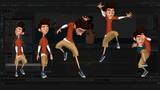


If you want to know what goes into animating an FPS game, look no further. In this comprehensive workshop, Senior Cinematic Animator Brad Faucheux will take you step by step from planning out a first-person shooter attack through to the final polish. Additionally, he walks through a third-person attack for further animation practice.
Throughout this workshop, Brad shares his professional workflow, along with the important tips, tricks, observations, and studies that he’s acquired over his many years working at AAA studios. He dives deep into research and observation and demonstrates everything you need to know about Maya for the task at hand. The use of animBot toolset is also used in this workshop to help with the animation workflow. You will learn how to animate character traits, power posing, as well as timing and constructing for games, flow, and structure, through to the final polish and details.
All you need to get started is Maya, a character of your choice, and Photoshop for the pre-planning stage. By completing this workshop, you’ll have a sound understanding of how artists in AAA game studios approach, critique, and sync professional attack animations.
14 Lessons
Brad introduces his workshop, which showcases professional-level game animation from an industry veteran with significant AAA experience. He discusses his aims to share the actual methods and workflows used in professional game studios, taking students through the complete process of creating both first and third-person attack animations from conception to completion. His emphasis on real studio practices and step-by-step professional methodology makes this a comprehensive introduction to game animation development.
Duration: 2m 14s

This lesson demonstrates that successful character animation begins long before opening any 3D software. Brad's extensive research and documentation process, from gathering visual references to defining personality traits, forms the foundation for creating believable, engaging characters. By combining real-world authenticity with creative character interpretation, animators can develop unique personalities that feel both grounded and entertaining. These are essential skills for professional game development.
Duration: 26m 57s

This comprehensive lesson demonstrates the sophisticated technical setup required for professional game animation, particularly for first-person shooters. Brad's workflow emphasizes the importance of proper preparation, organization, and constraint systems that allow animators to create believable character-weapon interactions. While complex, his techniques provide the foundation for high-quality game animations by ensuring both technical functionality and creative flexibility throughout the animation process.
Duration: 56m 3s

This lesson effectively demonstrates the foundational blocking stage of game animation, emphasizing the importance of clear pose design and proper workflow organization. Brad shows how to adapt real-world reference material to game constraints while maintaining the essential mechanics and energy of a spin-kick attack. His approach of establishing key poses first, then refining timing and arcs, provides a solid framework for creating dynamic combat animations that will read clearly to game players regardless of camera angle.
Duration: 52m 56s

This lesson demonstrates that effective action animation relies heavily on understanding physics principles such as weight transfer, overshoot, and settling, rather than just hitting key poses. Brad emphasizes that successful first-person animation requires different techniques than those used in third-person work; in particular, strategic use of camera shake to sell impact and carefully timed weapon exits and entrances to maintain visual clarity. The blocking phase establishes the foundation for all subsequent polishing, making it essential to invest time in proper spacing, arcs, and offset timing before moving to refinement passes.
Duration: 59m 4s

Brad's detailed animation pass demonstrates that great game animation requires constant iteration between timing, posing, and camera work to create responsive, impactful player experiences. His focus on eliminating dead frames, maintaining clear arcs, and adding appropriate settle time transforms a basic spin kick into a powerful, readable attack that feels both quick and weighty. His meticulous attention to spacing, breakdown poses, and body mechanics shows how blocking serves as the critical bridge between rough blocking and final splined animation.
Duration: 52m 11s

This lesson demonstrates Brad's advanced blocking techniques for complex character animation in games. His methodical approach of constantly checking silhouettes, tracking arcs, and refining poses from multiple angles shows how professional animators maintain clarity during intricate movements. His emphasis on making the weapon feel "steady and heavy," while the character performs dynamic actions, illustrates how game animation must balance realism with player experience —sometimes requiring creative "cheats" to maintain visual readability during rapid movements.
Duration: 46m 29s

This spline pass lesson demonstrates that successful first-person animation requires meticulous attention to camera movement, timing relationships, and cleanup workflows. The key to believable impact and motion lies in asymmetric timing (using cardiogram-like shake patterns), proper overlap between elements (body, camera, and weapon), and continuous refinement of tangents to create smooth yet dynamic arcs. By combining technical tools like AnimBot's tangent options with fundamental animation principles, animators can learn how to transform blocked animation into polished, immersive first-person experiences.
Duration: 39m 5s

This lesson demonstrates the meticulous, iterative nature of professional animation polishing. Brad’s approach emphasizes that great animation comes from careful attention to physics, weight distribution, and readable arcs rather than simply hitting poses. By systematically working through each body part and continually evaluating movement from multiple angles, Brad transforms rough blocking into smooth, believable motion. His process showcases how technical skills (tangent manipulation, curve editing) combine with artistic judgment (spacing variation, silhouette awareness) to create compelling character animation.
Duration: 38m 29s

This lesson demonstrates the meticulous, iterative nature of professional 3D animation refinement. Rather than animating everything at once, Brad works through each body system individually while constantly checking how changes affect the overall performance. His process emphasizes that good animation comes from careful attention to physics, weight, timing, and ensuring every element serves the clarity and appeal of the action. His methodical approach of identifying problems, testing solutions, and refining until each part feels right is essential to creating polished, believable character animation.
Duration: 46m 39s

This lesson demonstrates a professional animation workflow that prioritizes mechanical accuracy, weight distribution, and natural motion flow. Brad's systematic approach of refining from foundational contact points upward, combined with constant attention to arcs and timing, ensures believable character movement. His emphasis on avoiding simultaneous movement across body parts and instead creating overlapping, delayed motion is key to achieving lifelike animation that feels weighted and dynamic rather than stiff or robotic.
Duration: 48m 4s

This animation polish pass demonstrates the meticulous attention to detail required for high-quality character animation. By addressing facial expressions, secondary motion elements such as hair, body mechanics, and timing offsets between body parts, Brad transforms a functional animation into a polished, impactful performance. His iterative process of reviewing, adjusting, and refining each element shows how professional animators achieve the weight, readability, and visual appeal that make game animations feel responsive and satisfying.
Duration: 57m 27s

This polishing phase demonstrates the meticulous attention to detail required in professional game animation, particularly for first-person shooters. Brad’s primary goal is to create a seamless experience where the impossible (a spinning kick with an AK-47) feels impactful and believable through careful timing, secondary motion, and synchronization between player and character perspectives. His extensive use of tools and frame-by-frame refinement illustrates that the polish is where good animation becomes great, ensuring that smooth transitions, natural motion, and perfect timing enhance rather than distract from gameplay.
Duration: 46m

This final lesson discusses how successful animation requires both technical problem-solving and strategic presentation. While working with imperfect rigs and making design compromises is part of the process, the key is to learn from each project and document your journey thoroughly. When it comes to showcasing your work, quality always trumps quantity. Brad explains that a shorter demo reel featuring only your strongest, most varied work will be more effective than a longer one with filler content, and emphasizes that enjoying the creative process is essential to producing great animation work.
Duration: 20m 49s

Primary tools
For this workshop you’ll need:
Skills Covered
Who’s this Workshop for?
This workshop is designed for intermediate to advanced character animators looking to specialize in game animation, particularly those interested in first-person shooter development. It's ideal for artists with basic Maya knowledge who want to learn professional AAA studio workflows for combat animations.
Game developers, indie animators, and students pursuing careers in game animation will also benefit significantly from this comprehensive workshop. They'll gain insider knowledge of industry-standard techniques, professional critique methods, and the specialized skills needed to create compelling attack sequences that meet AAA production standards.
Learning Outcomes
By completing this workshop, artists will master the complete pipeline for creating professional-quality recall animations using industry-standard techniques and workflows.
Key skills include:
- How to ideate and plan compelling character animations using professional sketching methods.
- How to create strong key poses that effectively communicate character personality and story.
- How to utilize animBot plugin tools to achieve faster and more efficient animation workflows.
- How to apply snappy timing and strategic pauses to create engaging stylized animations.
- How to spline animations smoothly while maintaining the integrity of key poses.
- How to polish animations to AAA presentation standards for demo reels and portfolios.
- How to analyze existing animations and apply those insights to original creative work.


