
 Photoshop
 Maya
Maya ZBrush
 Houdini
 Unreal Engine
 Substance Painter
 Blender
 Nuke
Nuke Arnold
 KeyShot
 V-Ray
V-Ray Substance Designer
 Mari
Mari Marvelous Designer
 Marmoset Toolbag
 3ds Max
 3DCoat
 Redshift
 After Effects
 Faceform Wrap
 Lightroom
 OctaneRender
 SpeedTree
 Daz 3D
 Agisoft Metashape
 Fusion
 Modo
Modo RealityCapture
 Gaea
Gaea Cinema 4D
 Gravity Sketch
 Premiere
 Procreate
 Substance 3D Modeler
 Katana
 Mudbox
 Krita
Krita World Creator
 Yeti
Yeti Ziva VFX
 SketchBook
 Quixel DDO
 Mixamo
 Natron
 Quixel Bridge
 Quixel Megascans
 Adobe Medium
 Quixel Mixer
 SynthEyes
 Clip Studio Paint
 SketchUp
 Unity
Unity Gaffer
 Massive
 Materialize
 Ornatrix
 PreForm
 Corel Painter
 Moi 3D
 QuickTime
 Storyboard Pro
 TreeIt
 animBot
 ReCap
ReCap Meshmixer
 DaVinci Resolve
 World Machine
 xNormal


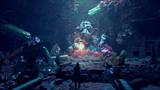




Master professional environment art workflows using real-world studio practices. This 6-hour workshop by Lead Environment Artist Ciro Cardoso explores various topics, from modeling hero assets in Maya and creating vegetation using SpeedTree to creating your own look-dev tools in Houdini.
Each chapter of this workshop guides you through the entire process of creating a realistic environment, from selecting a concept design to assembling assets into a meticulously optimized scene. Delve into each stage of environment production, gaining practical insights into effectively navigating studio challenges along the way. Ciro shares many invaluable insights and techniques that are essential for thriving in a production environment.
The software used in this workshop includes Maya, ZBrush, Houdini, Substance Painter, SpeedTree, Arnold, and Fusion. As a bonus, included with this workshop are Ciro’s key Houdini project files provided with notes that offer in-depth explanations. By the end of the workshop, you’ll have developed confidence as a valuable artist who can deliver polished environments ready for other departments to work with and have learned how to keep your workflow as efficient as possible. The ultimate goal is to build your confidence and help transform you into a proficient and collaborative team player.
This workshop is geared toward junior and mid-level artists with a foundational knowledge of SpeedTree, Maya, Substance Painter, and Houdini. This comprehensive tutorial is ideal for artists entering the industry or taking initial steps within a studio setting.
14 Lessons
Ciro introduces his workshop, which is designed to prepare artists for real-world production by teaching industry-standard workflows and emphasizing the collaborative nature of environment art. His core message is that environment artists must think beyond creating beautiful assets. Artists must be able to create efficient, well-organized foundations that enable entire teams to succeed. By mastering tools like Houdini and understanding cross-departmental impacts, they can become reliable, creative, and valuable team members in any studio pipeline.
Duration: 4m 19s

The production pipeline is not linear but involves constant back-and-forth collaboration between departments. Understanding how each department works and how your contributions affect their workflow is essential for environment artists. By being curious, asking questions, learning about adjacent disciplines, and maintaining open communication, artists can create better work while supporting the entire team. This collaborative mindset ultimately ensures smoother production and higher-quality final products.
Duration: 11m 58s

Discover how taking 30-60 minutes to thoroughly analyze concept art before starting 3D work provides a crucial head start on any project. This analysis phase teaches artists how to create an action plan, identify potential problems early, flag items needing clarification, identify opportunities for efficiency, and assess whether the project offers skill-development opportunities. While pushing beyond your comfort zone is encouraged, having backup approaches ensures production deadlines are met even when experimental techniques don't work out as planned.
Duration: 10m 35s

Layout is an essential foundation for environment artists in both production and personal projects, serving as a roadmap for efficient asset creation. By understanding camera movement and shot requirements through layout, artists can strategically allocate detail and effort where it matters most. This planning phase prevents wasted work on elements that won't be visible and ensures smooth collaboration between departments throughout the production pipeline.
Duration: 11m 24s

Creating realistic trees in SpeedTree requires a balance between thorough upfront research, procedural efficiency, and artistic manual refinement. The key to success lies not in achieving perfection through endless procedural adjustments but rather in understanding the botanical characteristics of specific species, establishing a solid structural foundation, and knowing when to switch from automated generation to hands-on sculpting. By learning how to maintain a balanced workflow, regularly seek feedback, and optimize export settings for downstream software such as Houdini, artists will be able to efficiently create multiple high-quality tree variations while maintaining the flexibility needed for production environments.
Duration: 36m 28s

Creating hero assets for production requires balancing artistic quality with pipeline efficiency. The key is working methodically through stages while maintaining clear communication with other departments and making strategic decisions about where to invest detailed work. Artists should focus on primary shapes first, use multiple passes to ensure consistent detail distribution, and always consider whether detail is better achieved through modeling or texturing. Proper organization, clean topology, and production-ready workflows are essential for ensuring assets can be efficiently used throughout the pipeline.
Duration: 23m 16s

This lesson emphasizes a production-ready approach to procedural modeling in Houdini that balances quality with efficiency. Rather than pursuing perfect tools or HDAs, the focus is on creating flexible, repeatable workflows that can be quickly adapted to different assets. Ciro stresses that, once these foundational node chains are established, they become reusable templates that save significant time across projects. By building and maintaining a personal library of these setups with proper documentation, artists can efficiently tackle similar tasks months or years later without having to reconstruct techniques from memory. It’s a crucial practice for professional environment artists working in modern VFX and game development pipelines.
Duration: 45m 32s

This lesson emphasizes that texturing and look development are iterative processes that require careful attention to technical setup, organization, and artistic subtlety. The key to professional results lies in creating flexible, well-organized material systems that can be easily adjusted and reused across projects. By establishing proper color management workflows between applications and building smart materials with multiple variations, artists can work efficiently while maintaining consistency and quality throughout the production pipeline.
Duration: 1h 6m 18s

This comprehensive lesson demonstrates production-level techniques for balancing visual quality with rendering efficiency when working with tree assets. Ciro's key lesson is that beautiful trees from SpeedTree often require significant optimization in Houdini to be practical for full-scene assembly, where multiple trees, characters, effects, and atmospherics combine to create rendering bottlenecks. By learning how to create multiple LOD (level of detail) versions and use instancing with Arnold Scene Source files, artists can maintain visual fidelity while keeping render times manageable for production schedules.
Duration: 29m 8s

Procedural shading is a powerful complementary technique to traditional texture painting workflows, offering unique advantages for specific scenarios in environment art production. While it requires more iteration time and careful performance considerations, it excels at adding controlled randomization and detail at scale. The key to success is understanding when to use procedural methods versus traditional texturing, maintaining organized node networks, and baking the necessary attributes in advance to maintain rendering efficiency. Ciro's hybrid approach, combining Substance Painter for base textures with procedural shading for variation and enhancement, creates an effective workflow for production-environment art.
Duration: 31m 20s

Scene assembling is a crucial production stage that requires both artistic sensibility and technical optimization skills. The role involves much more than placing assets; it's about refining materials in context, ensuring consistency across elements, creating efficient workflows through procedural tools, and delivering an optimized scene without warnings or errors. By staying organized, developing reusable tools, and carefully analyzing render logs, artists can learn how to create environments that look cohesive and beautiful while remaining efficient for lighting and rendering departments downstream.
Duration: 54m 7s

The key focus of this lesson is how success within production environments depends heavily on professional presentation and communication skills during dailies. By structuring presentations strategically, proactively guiding reviewers' attention, and separating problem-solving from feedback sessions, artists can streamline the approval process and avoid timeline conflicts. Remembering that feedback is a professional tool for aligning work with the production's vision, not a personal critique, is critical, as is taking detailed notes while actively listening to ensure all necessary revisions are addressed accurately.
Duration: 13m 45s

Ciro's core lesson is that thoughtful organization and naming conventions in environment art creation significantly impact downstream pipeline efficiency. By anticipating the needs of lighting and compositing artists through proper asset separation, consistent naming, and flexible material assignments, environment artists can dramatically improve collaboration and workflow speed. While these organizational practices require extra planning upfront, they prevent costly rework and enable the creative flexibility that lighting and compositing artists need to deliver high-quality final images.
Duration: 16m 35s

This final lesson emphasizes that technical skills must be balanced with professional soft skills, continuous learning, and the right mindset to succeed as a 3D environment artist. Ciro's key message is that investing time in learning powerful tools like Houdini, actively collaborating with team members, maintaining professionalism, and approaching challenges with humility and determination will distinguish an artist in the industry. He shares industry insights behind how success comes not from knowing everything, but from being willing to learn, fail fast, ask for help when needed, and consistently push through purposeful personal projects with realistic deadlines.
Duration: 12m 56s

Primary tools
For this workshop you’ll need:
Project Files
When you download the workshop files, you'll gain access to a comprehensive toolkit for creating Houdini-based environments. Inside, you'll find:
- Houdini project files (.hiplc) – Multiple procedural setups, including stone wall generators, scattering tools, and SpeedTree integration systems
- 3D models (.fbx, .abc) - Ready-to-use assets like tree models and environmental objects that work with the Houdini setups
Skills Covered
Who’s this Workshop for?
This workshop is designed for junior and mid-level environment artists with foundational knowledge of SpeedTree, Maya, Substance Painter, and Houdini. It's perfect for artists entering the industry or taking their first steps within a studio setting.
Production artists, technical artists, and CG generalists looking to specialize in environments will also benefit significantly from these lessons. The comprehensive approach builds confidence and transforms participants into proficient team players who can deliver polished, production-ready environmental assets that seamlessly integrate with other departments' workflows.
Learning Outcomes
By completing this workshop, artists will master workflows for professional environment art using real-world studio practices and industry-standard optimization techniques.
Key skills include:
- How to model hero assets in Maya using professional studio workflows and techniques.
- How to create realistic vegetation and natural elements efficiently using SpeedTree for production environments.
- How to develop custom look-dev tools in Houdini for streamlined environment art workflows.
- How to navigate from concept selection through final asset assembly in optimized scenes.
- How to overcome common studio challenges while maintaining efficient production timelines and quality standards.
- How to deliver polished environments that integrate seamlessly with other department requirements and pipelines.


