
 Photoshop
 Houdini
 Unreal Engine
 Substance Painter
 Blender
 Nuke
Nuke Arnold
 KeyShot
 V-Ray
V-Ray Substance Designer
 Mari
Mari Marvelous Designer
 3ds Max
 3DCoat
 Redshift
 After Effects
 Faceform Wrap
 Lightroom
 OctaneRender
 SpeedTree
 Daz 3D
 Agisoft Metashape
 Fusion
 Modo
Modo RealityCapture
 Gaea
Gaea Cinema 4D
 Gravity Sketch
 Premiere
 Procreate
 Substance 3D Modeler
 Katana
 Mudbox
 Krita
Krita World Creator
 Yeti
Yeti Ziva VFX
 SketchBook
 Quixel DDO
 Mixamo
 Natron
 Quixel Bridge
 Quixel Megascans
 Adobe Medium
 Quixel Mixer
 SynthEyes
 Clip Studio Paint
 SketchUp
 Unity
Unity Gaffer
 Massive
 Materialize
 Ornatrix
 PreForm
 Corel Painter
 Moi 3D
 QuickTime
 Storyboard Pro
 TreeIt
 animBot
 ReCap
ReCap Meshmixer
 DaVinci Resolve
 World Machine
 xNormal

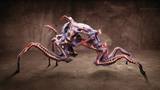




Eric Keller demonstrates how to accurately model a unique species of Mantis using ZBrush and Marmoset Toolbag in this 5-hour video workshop. Follow along with the project files provided, including Eric's personal references images, and sketches, along with his ZBrush Project files and the final Marmoset Toolbag render scene.
The Orchid Mantis — scientifically known as the Hymenopus coronatus — takes the center stage in this video workshop created for intermediate and advanced ZBrush artists. This comprehensive tutorial highlights many of the features released in recent versions of ZBrush and starts from the absolute beginning: photo references. Using Eric’s reference images along with anatomical diagrams available online, Eric shows how to block out the initial shape from scratch using ZSpheres before adding and refining each part of the mantis, step by step.
Once the sculpt is fleshed out, Eric demonstrates his approach to applying color to the model using ZBrush PolyPaint for the first round of texture, before exporting the model and textures into Marmoset Toolbag for the final texturing and rendering stage.
This workshop aims to teach you the skills you need to apply to any creature design and is suitable for those looking to create highly detailed scientific visualizations, as well as artists wishing to create high-quality assets for animation, VFX, and games.
Eric Keller is a veteran CG artist with over 20 years of experience creating models for film, TV, scientific visualization, planetarium shows, VR, AR, 3D printing, and jewelry design. He has taught numerous workshops for The Gnomon Workshop and is one of our most-viewed instructors.
22 Lessons
This workshop series teaches both technical creature modeling skills and fosters appreciation for biodiversity through the detailed study of an orchid mantis. By working through the complete process of creating a scientifically accurate insect model, artists will gain valuable techniques applicable to creature design, scientific illustration, and develop a deeper understanding of how nature works. The instructor's approach emphasizes approaches that develop a true understanding of the subject.
Duration: 5m 20s

This lesson establishes foundational knowledge of praying mantis anatomy before undertaking a detailed 3D modeling project. By starting with a common, straightforward species (Stagmomantis limbata), Eric ensures artists understand the basic terminology and structures that will be referenced throughout the modeling process. The choice to model the more visually dramatic orchid mantis demonstrates the diversity within mantis species while building on this anatomical foundation.
Duration: 7m 4s

This lesson provides a methodical approach to blocking out organic creature models using ZBrush's Z-sphere system. By maintaining a minimalist armature structure and working carefully with reference imagery, artists can create a solid foundation for detailed sculpting work. Eric’s emphasis on careful placement of Z-spheres and frequent saving teaches artists how to apply professional workflow habits that prevent costly mistakes and ensure flexibility throughout the modeling process.
Duration: 18m 21s

In this comprehensive lesson, artists will learn a practical workflow for blocking out complex organic forms in ZBrush, emphasizing speed and proportion over perfect topology. Eric’s approach to using polygroup masking and iterative refinement teaches artists to experiment flexibly while maintaining organized subtools. The core message is that early-stage modeling should focus on getting correct proportions and basic forms, because topology can easily be refined later through DynaMesh and other tools, Eric teaches artists how to avoid being overly precise during the initial blocking phase.
Duration: 15m 54s

In this comprehensive lesson, Eric emphasizes a practical approach to digital sculpting that prioritizes form development over premature detail work. Eric uses a traditional DynaMesh method to improve efficiency through rapid remeshing cycles, enabling artists to explore forms continuously. Eric’s core message focuses on maintaining workflow momentum by incrementally increasing complexity. This involves starting with rough primary forms and gradually refining them while keeping geometry flexible enough to accommodate major changes, until the basic structure meets the design goals.
Duration: 13m 22s

In this comprehensive lesson, Eric demonstrates a methodical approach to blocking out insect anatomy in 3D, prioritizing correct anatomical structure over premature detail refinement. Eric’s decision to create separate geometry for overlapping segments instead of simple surface details reflects professional-level thinking about both visual realism and future rigging needs. This foundational work teaches the artist how to prepare the model for successful detailing, texturing, and potential animation in later stages.
Duration: 9m 52s

In this lesson, Eric emphasizes the importance of establishing solid foundational forms and proportions before moving into detailed sculpting work; furthermore, Eric’s willingness to demonstrate corrections for minor anatomical oversights provides valuable insight into professional workflows. By maintaining flexibility in the early stages and focusing on primary and secondary forms, the artist can more easily refine proportions and catch errors, setting up a stronger foundation for the detailed work that follows.
Duration: 12m 24s

This lesson demonstrates a professional workflow for transforming rough forms into refined, anatomically accurate 3D insect models. Eric’s primary focus is on balancing technical topology considerations with artistic sculpting. Eric teaches artists how proper edge loops and subdivision levels make detailed work easier, while quality references—especially SEM images—ensure accuracy. Eric emphasizes creating organic, believable surfaces rather than mechanical perfection, reflecting the way natural chitin exoskeletons develop subtle irregularities over time.
Duration: 19m 51s

In this lesson, Eric demonstrates that complex organic structures like insect anatomy can be successfully tackled by breaking them down into fundamental components and building up detail progressively. Eric emphasizes that studying insects accurately not only improves scientific modeling skills but also provides invaluable inspiration for creature design work. While perfect anatomical accuracy may require extensive research, Eric teaches the artist how the combination of careful observation, refinement, and solid technical ZBrush skills can produce compelling and believable results that capture both the beauty and alien quality of these fascinating creatures.
Duration: 19m 2s

This lesson showcases the intersection of artistic skill and scientific observation in creature modeling. Eric highlights that while working to achieve anatomical accuracy, the artist must also make informed artistic decisions due to limited reference materials and the practical needs of 3D rendering. By encouraging artists to pursue anatomically correct creature modeling, Eric’s core message is that digital art can contribute meaningfully to expanding human understanding of lesser-studied organisms like praying mantises.
Duration: 11m 54s

Lessons in this session highlight an efficient workflow for creating realistic insect anatomy in ZBrush by balancing technical precision with practical time management. Eric’s emphasis on clean topology, proper use of polygroups, and organizing work into manageable subtools shows how the artist can create convincing organic models without getting bogged down in unnecessary details. Eric’s approach prioritizes visual appeal and believability over scientific accuracy for this particular artistic project, demonstrating that knowing when to simplify is as important as knowing how to model complex structures.
Duration: 9m 24s

In this lesson, artists learn the importance of understanding natural variation in reference subjects while Eric demonstrates efficient ZBrush workflows for organic modeling. Eric balances biological accuracy with artistic interpretation, particularly when reference images lack clear detail, and strategically exaggerates features to account for how they will appear in the final rendered product. The combination of proper topology preparation, custom brushes, and smart duplication of work teaches the artist to create professional results while maintaining an efficient workflow.
Duration: 8m 56s

This lesson demonstrates an efficient production workflow for creating complex organic forms with hard-surface elements in ZBrush. While Eric moves quickly through the time-lapsed sections, the core methodology involves breaking complex shapes into manageable parts, using DynaMesh and ZRemesher iteratively to maintain workable topology, and constantly referencing real-world anatomy. This results in convincing mantis front legs with proper anatomical structure and predatory function, ready for finer detailing during the texturing phase.
Duration: 19m 50s

This lesson provides an efficient approach to modeling organic forms by leveraging symmetry and part reuse. Eric successfully balances anatomical structure with a practical workflow, showing artists how to creatively use available references to build believable insect anatomy. Eric’s emphasis on fundamental insect biology provides valuable knowledge for any creature artist, while the ZBrush techniques demonstrate professional strategies for managing and optimizing the model.
Duration: 12m 11s

Creating realistic insect details in ZBrush requires both technical knowledge of brush features and a thoughtful artistic approach. Eric highlights that the detailing phase takes approximately as long as all previous modeling stages combined, but the investment pays off in realism. By understanding the biological processes that create insect exoskeletons and varying surface treatments, the artist can achieve organic results. Eric teaches how sculpted details serve dual purposes: creating visual interest in specular highlights and providing masks for selective polypainting.
Duration: 20m 16s

This session provides a clear workflow for creating biologically accurate insect eye details in 3D modeling. By combining techniques, Eric demonstrates how to achieve the complex hexagonal compound eye structure while maintaining organic variation. The result is a detailed, scientifically-informed model ready for the polypainting stage.
Duration: 10m 14s

This comprehensive polypainting lesson demonstrates how ZBrush’s brushes and masking tools can create naturalistic color on complex organic models. By combining cavity masks with the sculpted detail and layering colors at varying intensities, Eric achieves realistic subsurface color effects that capture both the beauty and danger of the orchid mantis. Eric’s technique balances scientific accuracy with artistic interpretation, taking advantage of the species' natural color variation to create a visually striking final result.
Duration: 20m 12s

Within this lesson, Eric emphasizes an organized approach to UV preparation that bridges multiple 3D applications. While Eric acknowledges this is a specialized pipeline, the workflow demonstrates the importance of clean topology and consistent naming conventions. This technique showcases how to leverage ZBrush's strengths in UV unwrapping while compensating for layout limitations by utilizing Maya's superior UV editing tools, resulting in production-ready models with properly organized texture coordinates.
Duration: 14m 30s

In this session, Eric demonstrates a professional approach to preparing sculpted models for game-ready assets or rendering. The careful balance between polygon reduction and detail preservation through decimation, combined with proper UV management, creates a solid foundation for texture baking. By executing the bake process in Marmoset Toolbag, Eric creates all necessary texture maps for the subsequent texturing phase, demonstrating how modern 3D workflows integrate multiple specialized tools.
Duration: 15m 58s

This lesson showcases Marmoset Toolbag's powerful layer-based texturing system, which offers flexibility for creating complex, realistic materials. Eric demonstrates how properly setting up texture projects and layers enables non-destructive experimentation with various visual effects. The next phase involves posing the mantis model in ZBrush before returning to Marmoset for final lighting and rendering.
Duration: 16m 27s

This lesson demonstrates a manual posing workflow in ZBrush that provides adequate control for a single final render. Eric successfully balances technical execution with artistic vision, creating a pose that captures the orchid mantis's unique personality and physical characteristics. The workflow represents an accessible approach for artists who want professional results without investing time in full character rigging.
Duration: 10m 7s

In this final lesson, Eric Keller showcases Marmoset Toolbag's capabilities as a real-time rendering and texturing solution for creature design. Eric emphasizes the software's flexibility in combining lighting, materials, and camera effects to achieve photorealistic results while maintaining an interactive workflow. The lesson demonstrates that achieving professional renders involves careful attention to anatomical details, proper material setup, and thoughtful composition.
Duration: 17m 7s

Primary tools
For this workshop you’ll need:


* Note that these programs and materials will not be supplied with the course.
Project Files
When you download the workshop files, you'll get access to Eric Keller's complete orchid mantis sculpting project files. Inside, you'll find:
- ZBrush project files & tool (.zpr, .ztl, .zbp, .tbscene) – Sculpting files showing the complete workflow from basic forms to final polypainted model
- Chapter resource folders - Organized materials for each workshop section, covering everything from initial concept to final rendering
- 3D model exports (.fbx) - High-resolution versions of the finished mantis and components ready for use in other applications
- Reference images & textures (.png) - Photo references and texture maps to guide your sculpting and support the lessons
Skills Covered
Who’s this Workshop for?
Eric Keller's workshop is aimed for intermediate and advanced ZBrush artists looking to master creature modeling and scientific visualization techniques. It's perfect for 3D artists working in film, television, games, and VFX who want to create anatomically accurate organic models with professional-quality texturing and rendering workflows.
Digital sculptors, concept artists, and technical artists will benefit from Eric's systematic approach to creature design. Students and professionals seeking to enhance their portfolio with highly detailed biological models will gain the most insight into industry-standard pipelines combining ZBrush sculpting with Marmoset Toolbag rendering for photorealistic results.
Learning Outcomes
Once this workshop is completed, artists will have mastered the complete pipeline for creating scientifically accurate creature models from initial reference gathering through final rendering.
Key skills include:
- How to effectively use photo references and anatomical diagrams for accurate creature modeling.
- How to build complex organic forms from scratch using ZBrush ZSpheres block out techniques.
- How to sculpt detailed mantis anatomy including limbs, thorax, and intricate surface details.
- How to apply realistic color and texture using ZBrush PolyPaint for organic surfaces.
- How to export models and textures efficiently between ZBrush and Marmoset Toolbag.
- How to set up professional lighting and materials in Marmoset Toolbag for photorealistic rendering.
- How to create compelling final presentations suitable for scientific visualization and portfolio work.


